A leaking chimney can quickly go from a minor annoyance to a major problem if left unaddressed. Water intrusion can cause damage to masonry work, stain walls and ceilings, cause mold growth, and even compromise the integrity of the system as a whole.
Understanding what causes chimney leaks and how to address them can help homeowners protect their investment and avoid costly repairs. Here’s what you need to know.
Causes of Chimney Leaks
Leaks can happen for various reasons. Let’s look at a few of the most common.
Damaged Flashing
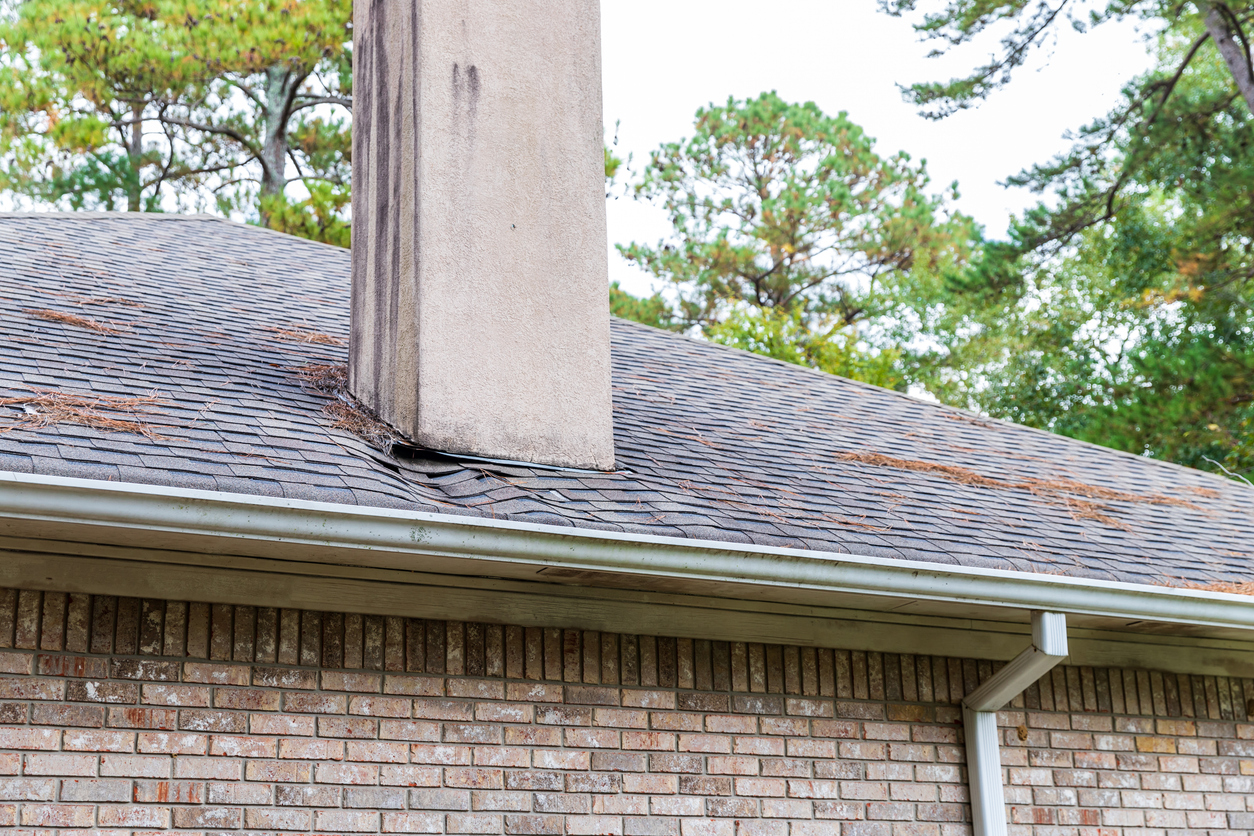
Flashing is the metal material that is installed where the chimney meets the roof, creating a watertight seal. As time passes, the metal can begin to rust and pull away from the roof. It can also crack or become damaged due to exposure to the outdoor elements. It only takes one small gap in the barrier for water to get through.
Cracked or Deteriorating Masonry
As temperatures change between seasons, brick and mortar naturally expand and contract. Too many freeze-thaw cycles can lead to cracks in the masonry. Once this happens, moisture can penetrate the structure and cause deterioration.
Missing or Damaged Chimney Cap
Your chimney cap is found at the top of the chimney, where it works to prevent rain, snow, debris, and animals from entering the flue. When it is missing or not working as it should, water can easily flow directly into the chimney without anything stopping it.
Worn Masonry
As chimneys age, they become more susceptible to moisture absorption that can make its way through the material. Even the most stunning masonry will break down and deteriorate without the proper care. Waterproofing is very necessary to reduce leaks. This can give old bricks a fighting chance against water.
Chimney Leak Repair
So, how do you fix a chimney leak? It all depends on the source. For instance, if the flashing is damaged, you may need to have it repaired or replaced to restore the watertight seal. And missing chimney caps can be replaced to reduce the water intrusion. Any cracks or worn masonry can be resurfaced with specialized sealants that will keep everything safe and dry.
Chimney repair in New York can be a highly effective solution when you choose the right professionals for the job.
How Homeowners Can Prevent Chimney Leaks
Routine maintenance is the most effective way to prevent a leaky chimney. By being proactive and scheduling annual inspections, potential problems can be addressed early. Any signs of trouble or concern, such as water stains near the fireplace, musty odors, peeling paint, or visible masonry damage, can be handled right away.
When it comes to your chimney, small problems are much easier to handle than big ones. It’s more cost-effective, too.
Of course, this extra cost and preventive treatment will extend the life of your chimney system and reduce the risk of any future leaks.
Act now, before it is too late.
Frequently Asked Questions
How can I tell if my chimney is leaking?
A few signs of leakage include stains near the chimney, damp odors, dripping sounds, peeling paint, deteriorating masonry, and any rust on or around the fireplace and its component parts.
Can chimney leaks cause structural damage?
Yes. When water invades masonry, it can weaken it, damage surrounding materials, and lead to costly repairs.
Is waterproofing my chimney a good idea?
Professional waterproofing is highly beneficial, as it protects masonry from moisture.
How often should my chimney be inspected?
A chimney should be professionally inspected at least once a year, or more if you frequently use your fireplace.
Does homeowners’ insurance cover chimney leaks?
Your insurance coverage will depend on your policy and likely on the cause of the leak. Often, sudden accidental damage is covered, while leaks resulting from lack of maintenance are not. Check your policy to determine your specific coverage.
At Chimney Sweepers, LLC, we are committed to helping homeowners maintain a safe, efficient, and leak-free chimney with our expert inspections, cleaning, and repair services. If you have noticed signs of a chimney leak, contact us today to schedule an inspection and protect your home from further damage.