A neglected chimney is a serious safety hazard. Not only does it put your home at risk, but everything in it, including your family. It doesn’t matter whether you use your fireplace every day or just occasionally; taking proper care of your chimney is crucial.
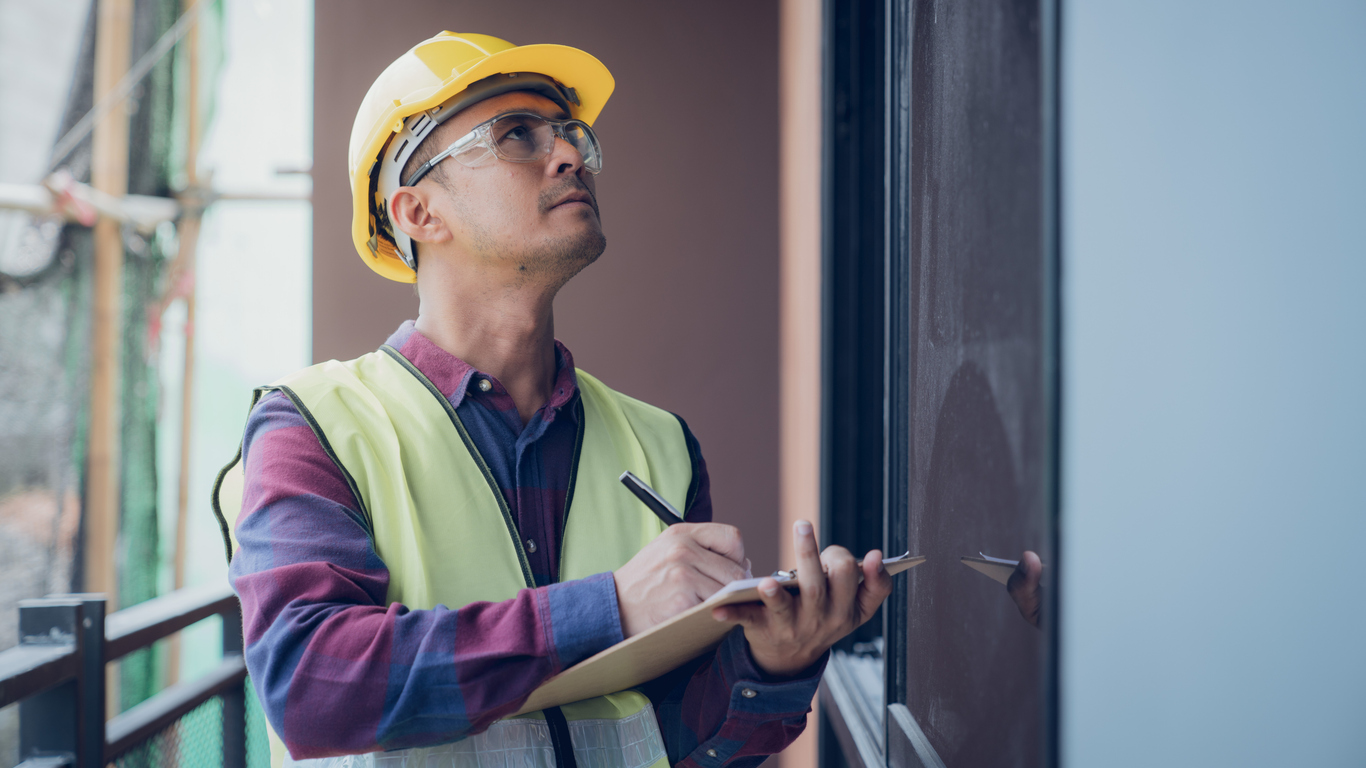
Scheduling a professional chimney inspection in Westchester at least once a year can prevent fires, improve air quality, and extend the life of your chimney system. Let’s take a closer look at what is involved and why it is necessary.
Preventing Chimney Fires
Perhaps one of the biggest risks of skipping chimney inspections is the potential for fires. Over time, a highly flammable substance known as creosote will build up in your chimney as a byproduct of burning wood. When the residue becomes thick enough, it can easily ignite. This happens quickly and unexpectedly, which is what makes it so dangerous.
During an annual inspection, our professional team looks for any creosote buildup and will recommend a cleaning if it is needed. When you stay ahead of the issues, you can reduce your fire risk.
Uncover Hidden Structural Issues
Chimneys have areas that are not visible from the outside. For instance, cracks in the flue liner, damaged masonry, and deteriorating mortar joints. Each of these warns you that the integrity of your chimney may be compromised, but can only be discovered with a close inspection.
With an annual inspection, you can find and address these concerns early, preventing any costly repairs. This extra precaution also reduces the risk of collapsing masonry and the transfer of heat to nearby flammable objects and materials.
Never ignore the signs that something could be wrong and follow through with any recommendation.
Protect Indoor Air Quality
Your chimney is designed to draw smoke, gases, and toxins out of your home. If it is not functioning properly, however, those harmful substances can make their way back inside.
Annual inspections can uncover any blockages, such as debris, animal nests, or creosote buildup, and remove them. This will free the ventilation and protect your indoor air quality. Keep your family safe from harmful gases like carbon monoxide.
Ensuring Safe Fireplace Performance
If you use your fireplace regularly and it seems to be working fine, underlying issues could still be present. Draft problems, improper ventilation, and damaged components can all affect how safely and efficiently a fireplace operates without you even knowing it.
Regular inspections will help make sure that everything is functioning as it should. What’s more, it will improve performance and give you peace of mind every time you use your fireplace.
Small Investment for Long-Term Protection
Having a home with a fireplace can bring you warmth, but it also comes with a lot of potential risks, like fires, carbon monoxide exposure, leaks, and expensive repairs. When you look at the bigger picture, scheduling an annual chimney inspection is a small investment that offers really significant protection.
Extend the life of your chimney while keeping your home and family safe today.
Frequently Asked Questions
Should I have my chimney inspected even if I don’t use it?
Yes, it is recommended that you get regular annual inspections regardless of use. This will help catch issues early and reduce your risk for more complex, expensive repairs down the road.
What is the difference between a chimney inspection and cleaning?
An inspection evaluates the condition and safety of your chimney, while cleaning removes any soot, creosote, and debris. If we find buildup during your inspection, we may recommend a cleaning as the next step.
At Chimney Sweepers, LLC, we are dedicated to helping homeowners stay safe and confident in their chimney systems. Our experienced team provides thorough inspections and repairs with honesty and integrity that you can trust. Contact us today to schedule your annual chimney inspection.